

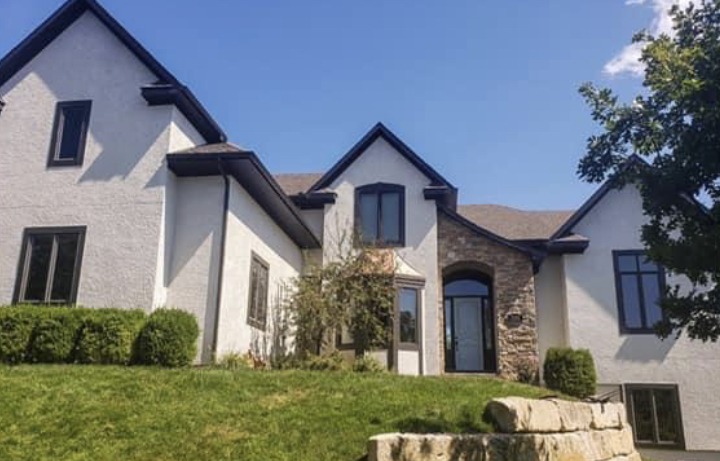
Whether you’re refreshing your home’s curb appeal or protecting it from the elements, one thing is certain: great exterior painting starts with proper preparation.
Skipping prep is like painting over a problem — it may look good for a while, but it won’t last. Here’s everything you need to know to prep your home’s exterior like a pro and ensure your paint job looks beautiful and lasts for years. If your home was built before 1978 you will need to follow EPA guidelines which can be found here – https://www.epa.gov/lead/lead-renovation-repair-and-painting-program-rules.
1. Inspect and Evaluate the Surface
Before anything else, walk around your home and take note of:
- Peeling or flaking paint
- Cracks or holes in wood or siding
- Mold, mildew, or dirt buildup
- Rotten or damaged wood
Fixing these problems now will save you time, money, and frustration down the road.
2. Wash the Surface Thoroughly
Why it matters: Dirt, dust, mildew, and chalky paint residue can prevent paint from adhering properly.
How to do it:
- Use a pressure washer and keep the pressure gentle to avoid damaging siding.
- For stubborn grime or mildew, use a mix of water and TSP (trisodium phosphate) or bleach solution (if mold is present).
- Let the surface dry completely (at least 24–48 hours depending on weather).
3. Scrape, Sand, and Remove Loose Paint
After washing:
- Scrape off loose or peeling paint using a paint scraper or putty knife.
- Sand edges to feather out rough transitions and ensure a smooth surface.
- If sanding lead-based paint (pre-1978), follow EPA guidelines or hire a certified professional.
4. Repair and Patch
Look for imperfections and address them:
- Fill cracks and holes with caulk or exterior-grade filler.
- Replace rotted wood or damaged siding.
- Use elastomeric caulk around windows, doors, and trim for weatherproof sealing.
5. Mask and Protect Surrounding Areas
You don’t want paint where it doesn’t belong:
- Use painters’ tape on windows, trim, and fixtures.
- Cover landscaping, driveways, decks, and windows with drop cloths, plastic or masking paper.
- Remove or cover light fixtures and shutters if possible.
6. Prime the Surface
Priming helps seal repairs, covers stains, and improves paint adhesion.
When to prime:
- Bare wood or new surfaces
- Stained or repaired areas
- Use a high-quality exterior primer suited to your surface (wood, masonry, metal, etc.).
7. Choose the Right Weather Window
Timing is everything. Aim for:
- Temperatures between 50°F and 85°F
- Low humidity
- No rain for at least 24 hours after painting
Avoid painting in direct sun or windy conditions — it can cause paint to dry too quickly and unevenly.
Final Thoughts
Taking the time to properly prep your home’s exterior may not be the most enjoyable part of the painting process, but it’s absolutely essential. A well-prepared surface ensures better paint adhesion, longer durability, and a cleaner, more professional look.
Need Help with Your Exterior Paint Project?
We offer professional exterior painting services with top-notch prep and premium finishes. Contact us for a free estimate today!
